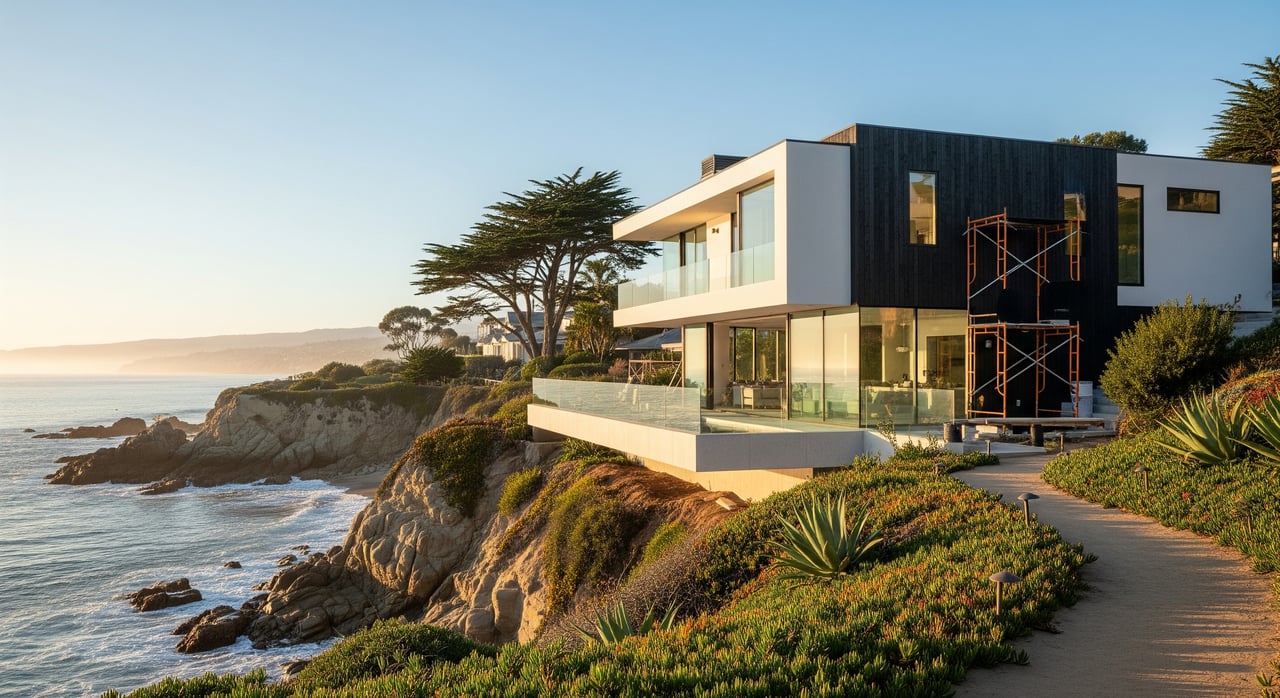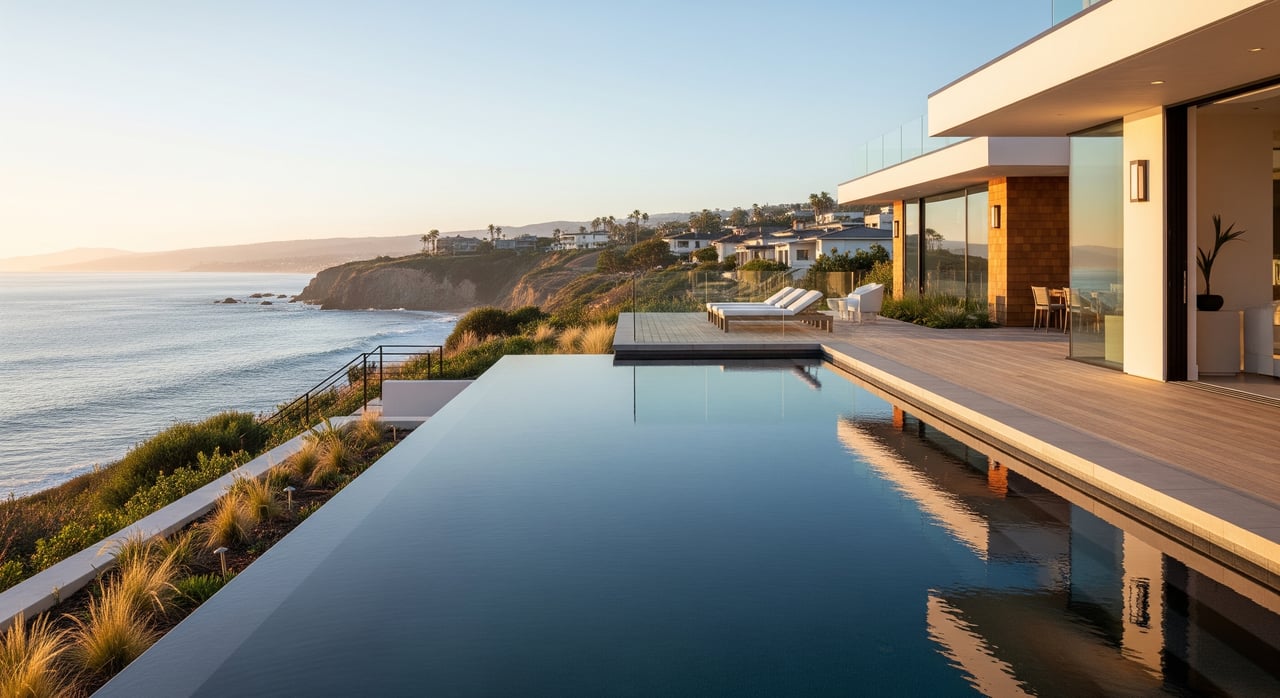
Dreaming of ocean views from your living room but wondering what the hillside trade-offs look like in Arch Beach Heights? You are not alone. Many buyers love the quiet streets and breezes up top, yet want to understand stairs, parking, wildfire risk, and renovation rules before they commit. In this guide, you will learn what day-to-day life looks like, what to inspect, and how to plan costs and permits. Let’s dive in.
What hillside living means
Walking and access
Hilltop living brings breathtaking views, but your daily loop includes elevation changes. Even short trips to the village can feel longer on the return climb, especially if you are carrying groceries or beach gear. Some homes rely on multiple stair sets between the garage and living spaces, so plan for that daily rhythm.
Deliveries and services
Narrow streets, steep driveways, and tight turning areas can affect package delivery, moving trucks, and contractor access. You may need to coordinate delivery windows or stage large items at street level. Ask about on-street parking rules and where service vehicles can safely stop.
Noise and privacy
You will likely enjoy fewer passersby and quieter streets. Wind can add different ambient sounds, especially around rooftops and vegetation. Exposure also changes how you hear the neighborhood compared with the flatter village streets.
Views and microclimate
Elevated lots often capture wider ocean vistas and consistent sea breezes that temper summer heat. Coastal patterns include morning or evening marine layer and mild temperatures most of the year. Salt air and stronger winds at exposed sites can increase exterior maintenance.
Property features to inspect
Stairs and entry points
Confirm the number of steps from parking or garage to the main living areas. Walk the route as if carrying luggage to understand the effort. If public stairs or easements are nearby, verify where they lead and who maintains them.
Driveways and parking
Steep or narrow driveways and limited curbside parking are common. Note legal parking allowances, permit zones, and guest parking options. If you expect frequent visitors or service providers, assess turning space and access for larger vehicles.
Drainage and retaining walls
Hillside homes rely on engineered grading, retaining walls, and thoughtful drainage. Ask for permits and maintenance records for retaining walls and any past slope work. Look for signs of erosion, settlement, or repeated repairs and confirm drainage paths away from the structure.
Wildfire and vegetation
Laguna Beach sits within the wildland-urban interface, which elevates wildfire exposure. Review local hazard maps, defensible space rules, and brush management requirements. Fire-hardening features like ember-resistant vents, noncombustible siding, and dual-pane windows can be a meaningful plus.
Coastal wear and maintenance
Salt air can accelerate corrosion of exterior metals and affect window seals and paint. Budget for more frequent exterior upkeep, periodic metal replacement, and routine roof and gutter maintenance. Documented maintenance is a value signal when you sell.
Getting around and services
Streets and parking rules
Some hillside streets are narrower and steeper, with restricted curb parking or time limits. Confirm where you and guests can park and whether a residential permit is required. Check enforcement practices before you buy.
Transit and shuttles
Public transit is limited compared with denser urban areas, so most residents rely on cars. Seasonal trolley or shuttle services may operate at certain times of year. If walkability matters, time your route to the village and the beach during different parts of the day.
Emergency access and evacuation
Hillside neighborhoods may have limited egress routes and tighter turning areas for emergency vehicles. Review evacuation maps and neighborhood plans and sign up for city or county alerts. Confirm response access for fire and medical services on your specific street.
Utilities and trash
Confirm electricity, gas, water, and telecom providers and note any easements or overhead lines. Trash and recycling pickup may require placing bins at specific locations in narrow streets. Ask about bulky item pickup procedures and collection points.
Permits, construction, and insurance
Planning and coastal rules
Laguna Beach hillside projects often require geotechnical reports and engineered structural plans. Significant renovations or additions can trigger design review or Coastal Development Permit requirements. Tree removal may need city approval, especially for protected species.
Inspections to order
Beyond a standard home inspection, consider: geotechnical or soils evaluation, structural review of foundations and retaining walls, roof and drainage assessment, termite and pest inspection, and sewer line verification. A wildfire vulnerability review is wise for roof, siding, and vent materials. These reports help you understand risk and long-term maintenance.
Insurance: wildfire and earthquake
Wildfire exposure can affect coverage availability and premiums. Get quotes early in escrow and ask about mitigation credits for fire-hardening. Earthquake coverage is usually a separate policy in California, so include that in your insurance plan.
Budgeting for hillside upkeep
Expect higher site-work costs for renovations on sloped lots. Ongoing expenses can include retaining wall maintenance, drainage tune-ups, painting, and corrosion-related replacements. Keep records of all work, since strong documentation supports resale value.
Buyer checklist for Arch Beach Heights
- Walk or drive your route to the village and beach at different times to feel the return climb, wind, and traffic patterns.
- Count stairs between parking and main living areas and simulate carrying groceries or luggage.
- Review geotechnical reports, grading and retaining wall permits, sewer records, and the building permit history.
- Obtain at least two homeowner insurance quotes that reflect wildfire exposure and potential mitigation steps.
- Confirm utility providers, easements, and trash collection points for your street.
- Request maintenance records for drainage, retaining walls, roof, chimney, and any slope repairs.
- Check evacuation maps and sign up for emergency alerts.
Seller tips for hillside homes
- Complete defensible space work and keep documentation of vegetation management and clearances.
- Gather engineering, grading, and permit records to streamline buyer due diligence.
- If stairs are steep or numerous, highlight convenience features like lighting and handrails; if you have an elevator, make it a focal point.
- Emphasize lifestyle positives that matter to buyers: views, consistent breezes, privacy, and proximity to village routes with realistic walking times.
- Consider light updates or coordinated vendor work before listing. Concierge-style support and select seller programs can help prepare the home without upfront costs.
Is Arch Beach Heights right for you?
If you value panoramic views, privacy, and cooler sea breezes, Arch Beach Heights can be a rewarding fit. You will trade flatter walkability for elevation, more steps, and specialized maintenance. With the right inspections, insurance planning, and a clear understanding of parking, drainage, and wildfire mitigation, you can move forward with confidence.
If you are weighing a purchase or preparing to sell, I can help you plan, coordinate vendors, and navigate local records and requirements. For calm, fiduciary-first guidance tailored to Laguna Beach hillsides, connect with Lisa Easton to Request a Confidential Consultation.
FAQs
What should I expect with stairs and mobility in Arch Beach Heights?
- Many homes include multiple stair flights between parking and living areas, so count steps during showings and factor the routine into daily life.
How does wildfire risk affect insurance for hillside homes in Laguna Beach?
- Elevated risk can limit carrier options and raise premiums, so obtain quotes early and ask about credits for fire-hardening and defensible space.
What maintenance costs are common for coastal hillside properties?
- Plan for drainage tune-ups, retaining wall care, exterior painting, window seal maintenance, and corrosion-related metal replacements.
What permits are typical for hillside renovations near the coast?
- Expect geotechnical reports, engineered plans, and possible design review or a Coastal Development Permit for significant additions or site work.
How do parking and access work on narrow hillside streets?
- Streets can be steep and tight with signed restrictions, so verify legal curb parking, guest options, and access for delivery and emergency vehicles.